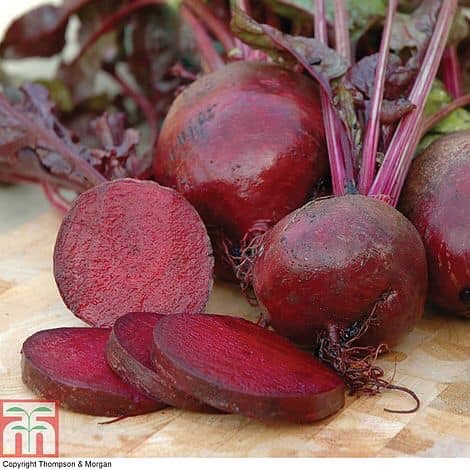
Beetroots, commonly known as beets, are a popular root vegetable used in many cuisines around the world.
Beets are packed with essential vitamins, minerals and plant compounds, some of which have medicinal properties.
What’s more, they are delicious and easy to add to your diet.
HISTORY OF BEETROOTS
Despite only growing well during spring and fall, beets were so well regarded in Ancient Rome and Greece that methods were developed for producing them during the hot summer months. The root part of the beet was cultivated for consumption in either Germany or Italy, first recorded in 1542. Its earliest form more closely resembled a parsnip rather than the bulbous shape we’re now familiar with, which began appearing near the end of the 1500s. This variety is thought to have evolved from a prehistoric North African root vegetable. Soon it became the most recognizable form of beet, but it wasn’t a worldwide culinary success until two centuries later. Northeastern Europe was the first area to embrace the beet root as a dietary staple; it was valued as one of the only vegetables that grew well throughout winter.
Source;www.pbs.org
BEETROOTS JUICE
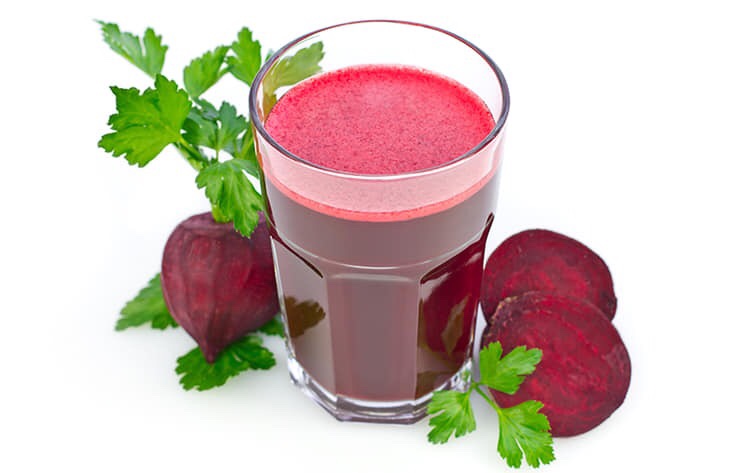
Beetroot juice is a powerhouse of nutrients. Beetroots are undoubtedly one of the healthiest vegetables you can juice. If you haven’t yet tried beetroot juice, it’s time you do now.
How to make beets juice
• Beet has a pretty solid flesh, so you surely need a powerful blender that cuts it into tiny pieces to get the liquid out of it.
• Prepare the beets thoroughly.
• Do not forget to wash the beets thoroughly to remove the soil.
•Then, cut them into smaller pieces and you put them into your blender with other veggies and fruits such as apple, carrot or cucumber to make your drink tastier.
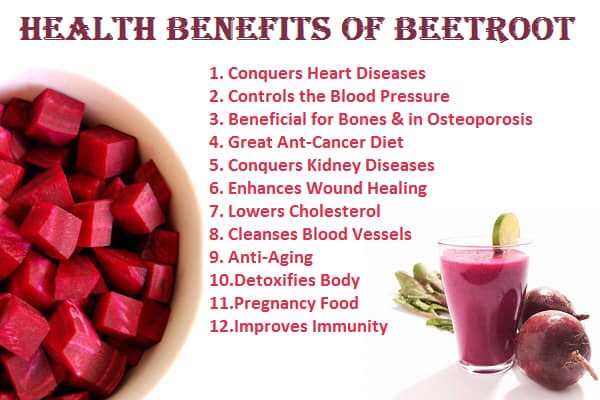
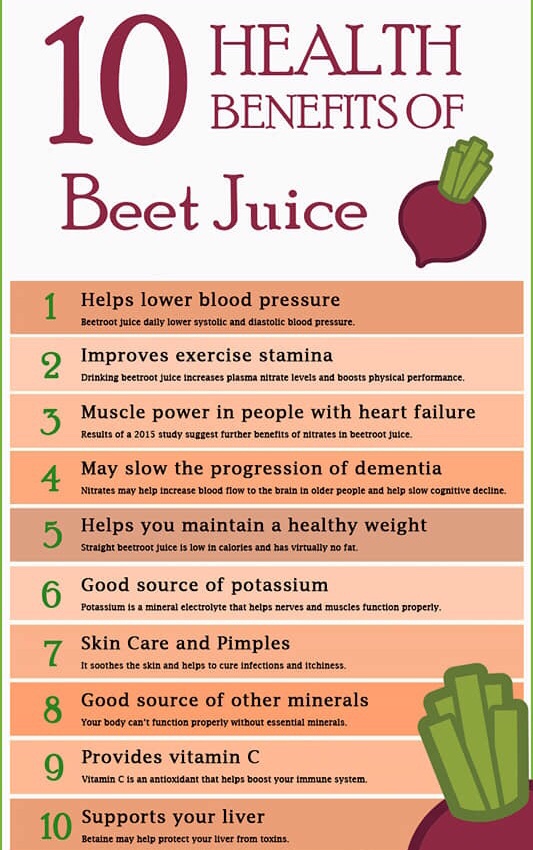
HEALTH BENEFITS OF BEETROOTS

 Food&Health